Introdução: Uma conversa diferente sobre perda de gordura
For more than a decade, the mainstream weight-loss narrative has revolved around stimulation. Increase metabolic rate. Suppress appetite. Push energy output higher. The logic seemed straightforward: if the body burns more calories and eats less, weight must drop. Yet many adults—particularly those in their mid-thirties and beyond—describe a frustrating plateau where these strategies stop delivering reliable results.
In recent years, the conversation has begun to shift. Researchers and product developers have shown growing interest in metabolic responsiveness rather than metabolic force. Instead of pushing the body into a heightened state of stimulation, the emerging idea is to support how efficiently metabolic systems respond to signals related to energy use, fat oxidation, and glucose handling.
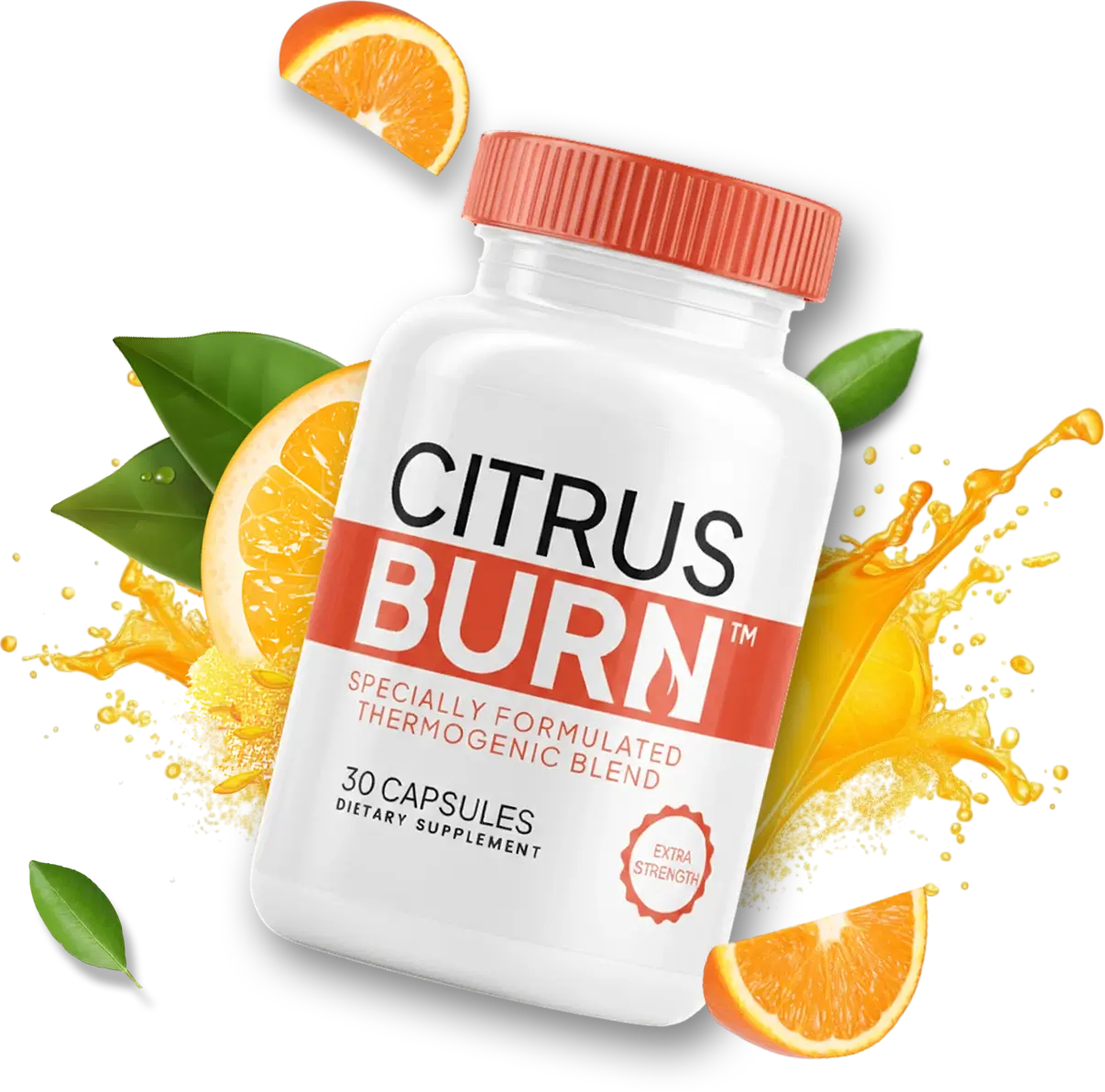
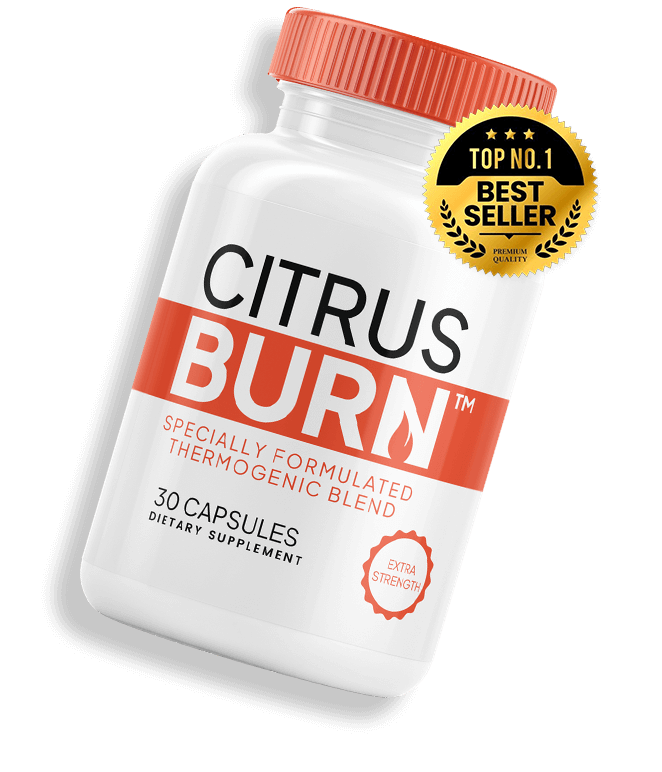
Citrus Burn entrou nesse mercado em evolução como um suplemento baseado em compostos derivados de frutas cítricas que podem influenciar as vias de sinalização metabólica. Em vez de se apresentar como uma ferramenta para perda de gordura rápida, ele propõe o controle de peso como um processo de restauração da eficiência dos sistemas energéticos do corpo. Este artigo explora essa premissa em profundidade, examinando a lógica científica por trás da formulação, o papel de seus ingredientes, os padrões nos feedbacks dos usuários, as considerações de segurança e as implicações mais amplas dessa abordagem.
The Metabolic Efficiency Hypothesis
Os suplementos termogênicos tradicionais partem do pressuposto de que a principal limitação do corpo é a estimulação insuficiente. Se a queima de calorias for aumentada por meio da ativação do sistema nervoso — frequentemente via cafeína ou compostos similares — a perda de gordura deverá ocorrer em seguida. Esse modelo funciona de forma previsível em alguns contextos, principalmente em indivíduos mais jovens ou em intervenções de curto prazo.
No entanto, a hipótese da eficiência metabólica propõe um gargalo diferente.
De acordo com essa perspectiva, o problema não é que o corpo não consiga queimar energia, mas sim que os sistemas reguladores que controlam o uso de energia se tornam menos responsivos ao longo do tempo. Quando a responsividade diminui, estímulos mais intensos produzem retornos decrescentes.
This concept is sometimes described informally as metabolic resistance. It reflects a scenario in which signaling pathways associated with thermogenesis, fat oxidation, and energy utilization no longer react proportionally to stimuli that once produced noticeable effects.
Citrus-derived bioactive compounds have attracted attention because they appear to interact with metabolic pathways upstream of stimulation. Instead of increasing output directly, they may support how metabolic signals are processed and executed. Whether this translates into meaningful long-term effects remains an active area of investigation, but the shift in focus—from force to responsiveness—marks a conceptual departure from conventional fat-loss strategies.
Understanding the Citrus-Based Mechanism
A principal característica da fórmula do Citrus Burn é a sua ênfase em compostos extraídos das cascas de frutas cítricas, em vez da polpa. As cascas de frutas cítricas contêm níveis concentrados de flavonoides, alcaloides e polifenóis, cujos papéis no metabolismo energético são estudados.
One compound frequently discussed in research contexts is p-synephrine, a naturally occurring alkaloid found in certain citrus varieties. Scientific literature has explored its interaction with receptors involved in fat oxidation and energy expenditure. Unlike high-dose stimulants, p-synephrine is generally studied for metabolic effects that do not rely on strong central nervous system activation.
The theoretical framework suggests that citrus-derived compounds may:
- Support thermogenic signaling pathways
- Influence how the body mobilizes stored fat
- Promote more stable energy utilization
- Contribute to metabolic efficiency rather than overstimulation
It is important to note that most available research examines these compounds individually rather than in combination within a single commercial formula. As with many dietary supplements, the rationale is based on ingredient-level evidence rather than large-scale clinical trials of the finished product.
Ingredient Synergy: A Systems-Level Approach
The formulation philosophy associated with Citrus Burn emphasizes synergy—multiple moderate mechanisms working together rather than a single dominant stimulant effect. Each ingredient category targets a different dimension of metabolic regulation.
Citrus Peel Extracts
These compounds form the conceptual foundation of the formula. They are included for their potential involvement in fat oxidation pathways and metabolic signaling responsiveness.
Green Tea Extract
Green tea catechins, particularly EGCG, have been widely studied in relation to thermogenesis and fat metabolism. Their inclusion reflects a strategy focused on energy utilization rather than energy stimulation.
Apple-Derived Vinegar Compounds
Vinegar derivatives have been examined for possible roles in satiety signaling and post-meal glucose regulation. Stable glucose dynamics may contribute to consistent energy levels and reduced appetite variability.
Berberine
Berberine is frequently researched for its influence on glucose metabolism and insulin sensitivity. Its presence in metabolic-support formulations reflects interest in how blood sugar regulation intersects with weight management.
Korean Red Ginseng
Traditionally associated with vitality and stress adaptation, ginseng is included to support overall metabolic balance rather than direct fat burning.
Ginger Extract
Ginger contributes digestive support and mild thermogenic influence, complementing the broader metabolic framework.
The unifying theme is moderation. Rather than overwhelming the body with stimulation, the formulation aims to create conditions that support consistent metabolic function.
Reported User Experience: A Progressive Timeline
User feedback associated with metabolic-support supplements often differs from reports linked to high-stimulant products. Instead of immediate effects, changes are described as gradual and cumulative.
Early Phase (First 7 Days)
Initial feedback frequently emphasizes smoother energy patterns rather than measurable weight change. Users commonly report fewer afternoon crashes and more stable daily rhythms.
Adjustment Phase (Weeks 2–4)
During this period, appetite patterns and energy consistency become more noticeable. Reports often mention reduced impulsive snacking and improved adherence to nutrition plans.
Utilization Phase (Days 45–60)
Some individuals describe visible body composition changes, particularly in areas previously resistant to fat loss. These reports align with the hypothesis that metabolic adaptation precedes observable physical change.
Sustainability Phase (Beyond 60 Days)
Longer-term users tend to characterize results as modest but maintainable. The emphasis shifts from rapid change to stability and predictability.
This progression reflects the central claim of metabolic reconditioning: systemic change emerges gradually rather than instantly.
Interpreting Benefits Without Exaggeration
A responsible evaluation of reported benefits requires distinguishing between theoretical mechanisms and demonstrated outcomes. Commonly cited advantages include:
Energy Stability
Rather than producing spikes, the formulation is associated with more consistent energy patterns. This may indirectly support adherence to lifestyle interventions.
Support for Fat Utilization
The emphasis is on improving how efficiently the body uses stored energy, not forcing calorie expenditure through stimulation.
Appetite Regulation
Improved satiety awareness may contribute to behavioral consistency in eating patterns.
Long-Term Orientation
The design appears compatible with ongoing use rather than short-term cycles.
These outcomes, when reported, tend to be incremental rather than dramatic.
Considerações de segurança e tolerabilidade
Any supplement influencing metabolic processes warrants careful evaluation of safety and individual variability.
Because the formulation does not rely on high-dose stimulants, common stimulant-related side effects—such as jitteriness, anxiety, or sleep disruption—appear less frequently in anecdotal reports. However, tolerance varies widely among individuals.
Key considerations include:
- Sensitivity to even mild stimulatory compounds
- Interaction with medications affecting glucose metabolism
- Individual digestive responses during initial use
- The importance of adhering to recommended dosage
Manufacturing standards also play a role in safety evaluation. Supplements produced in facilities following established quality protocols aim to ensure consistency in composition and purity.
Why Expectations Shape Outcomes
One of the most important factors influencing user perception is expectation alignment. Supplements framed as metabolic support rather than rapid fat-loss tools may disappoint those seeking immediate change.
Three expectation-related patterns appear repeatedly in consumer feedback:
Speed Expectation
Rapid weight reduction is often assumed but not consistently reported.
Mechanism Misunderstanding
Users expecting stimulant-like effects may misinterpret gradual changes as ineffectiveness.
Consistency Requirement
Results associated with metabolic adaptation appear linked to sustained use and supportive habits.
Expectation alignment is not a marketing issue—it is a biological one. Processes involving metabolic regulation unfold over time.
Comparação com estratégias termogênicas tradicionais
A meaningful evaluation requires examining how this approach differs structurally from conventional fat burners.
Traditional thermogenics typically rely on:
- Strong nervous system activation
- Rapid increases in energy expenditure
- Short-term intensity
- Potential tolerance development
Em contrapartida, a estratégia metabólica baseada em citrinos enfatiza:
- Responsiveness rather than stimulation
- Gradual adaptation
- Compatibility with continuous use
- Lower reliance on nervous system activation
Scientific Context and Evidence Limitations
Scientific credibility depends on clarity about what is known and what remains uncertain.
Research exists for several individual ingredients included in citrus-based metabolic formulations. Studies have examined citrus alkaloids, green tea catechins, vinegar derivatives, and other compounds in relation to metabolic processes.
However, large-scale clinical trials examining the combined formulation as a unified intervention are not publicly available. This limitation is common in the dietary supplement industry and does not necessarily invalidate the theoretical framework—but it does define the level of certainty that can be claimed.
Responsible interpretation requires recognizing that ingredient-level plausibility does not guarantee identical real-world outcomes.
Market Positioning and Consumer Interpretation
The growing visibility of citrus-based metabolic supplements reflects broader trends in health and wellness:
- Increased skepticism toward extreme claims
- Interest in long-term metabolic health
- Preference for moderate, sustainable strategies
- Demand for formulations perceived as “clean” or balanced
Citrus Burn’s positioning aligns with these trends by emphasizing metabolic efficiency rather than rapid transformation.
However, popularity can also generate inflated expectations, which in turn produce polarized feedback. The same mechanism that attracts interest—gradual metabolic support—can produce disappointment when interpreted through a rapid-results mindset.
The Role of Lifestyle Context
No metabolic-support supplement operates in isolation from behavioral factors. Diet quality, sleep patterns, physical activity, and stress regulation remain dominant determinants of metabolic outcomes.
A supplement designed to support metabolic responsiveness may enhance the effectiveness of consistent habits, but it does not replace them. The interaction between supplement use and lifestyle context likely explains much of the variability observed in user experiences.
Avaliação equilibrada: pontos fortes e limitações
Uma avaliação abrangente da estratégia metabólica baseada em citrinos revela tanto pontos fortes quanto limitações.
Potential Strengths
- Coherent systems-level formulation philosophy
- Moderate stimulation profile
- Alignment with long-term metabolic thinking
- Ingredient-level scientific plausibility
Key Limitations
- Limited direct research on the complete formulation
- Gradual results that may not meet rapid expectations
- Variability in individual response
- Dependence on consistent lifestyle context
A balanced view recognizes both elements simultaneously.
Conclusion: A Shift in Strategy Rather Than a Shortcut
Citrus Burn represents an example of a broader transition in weight-management thinking. Instead of emphasizing metabolic force, the approach centers on metabolic responsiveness. Instead of intensity, it emphasizes consistency. Instead of immediate transformation, it suggests progressive adaptation.
Whether this strategy produces meaningful long-term benefits depends on multiple variables: individual physiology, behavioral context, expectation alignment, and sustained use. What distinguishes it is not the promise of rapid change but the attempt to align supplementation with how metabolic systems adapt over time.
In practical terms, the citrus-based metabolic framework reflects an evolving understanding of weight regulation as a dynamic, responsive system rather than a simple equation of stimulation and suppression. Its relevance lies not in dramatic claims but in the possibility of a more measured, efficiency-oriented approach to metabolic support.
For readers evaluating such products, the most constructive perspective may be neither enthusiasm nor skepticism alone, but informed interpretation—understanding both the rationale and the limits of what current evidence can support.
Verificação de informações e fonte oficial
To ensure accuracy, this analysis was based on publicly available product information, manufacturer disclosures, and current market positioning at the time of writing. Formulations, pricing, and availability may change without prior notice.
For the most up-to-date details — including official ingredients, usage guidance, safety information, and purchasing options — readers are encouraged to consult the product’s official website directly.
👉 Access the Official Citrus Burn Website for Verified Information
Leave a Reply